Hazards Eliminated Before Structural Damage Occurs
Tree Removal in Hudson for properties with storm-damaged, diseased, or structurally compromised trees near buildings and fencing
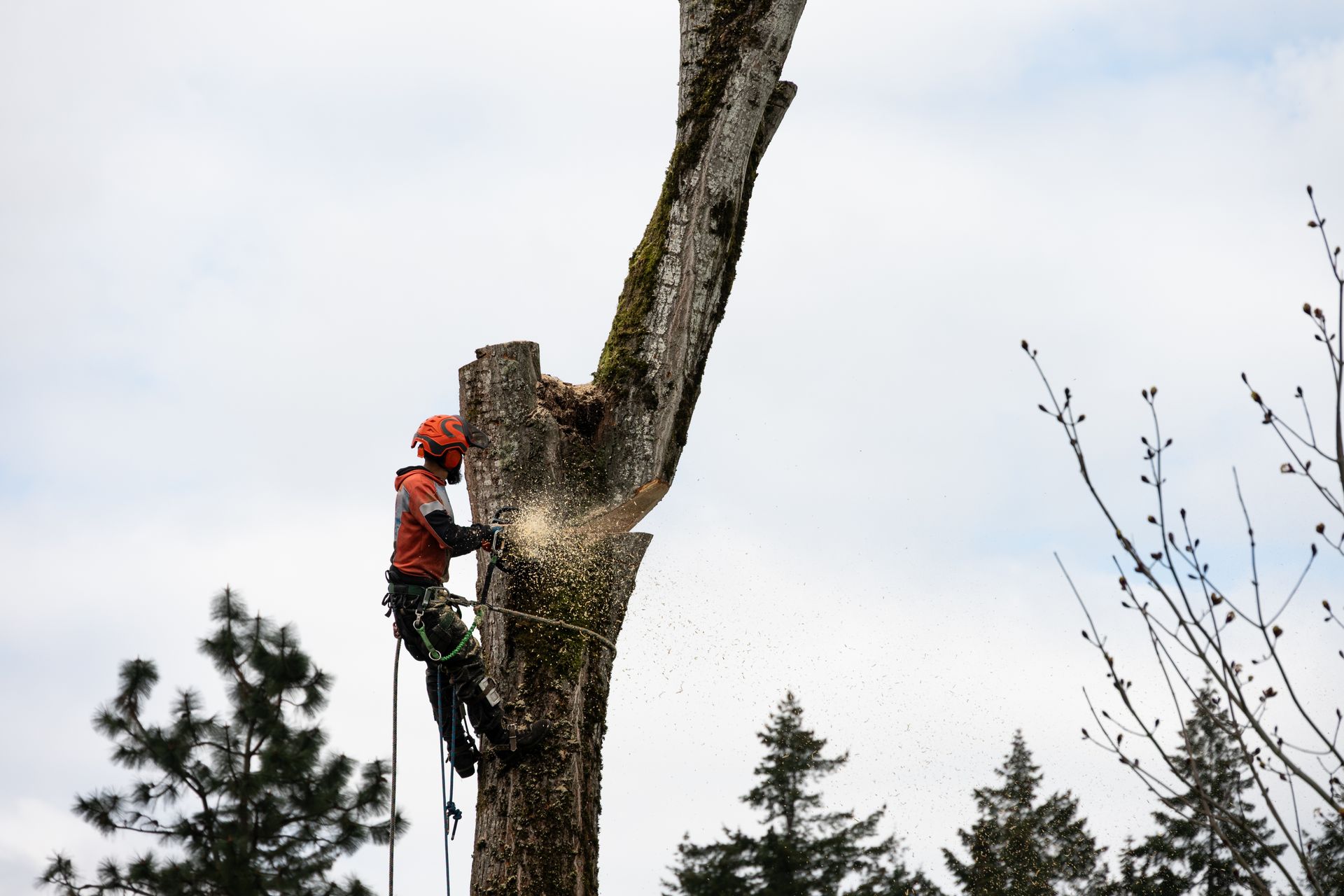
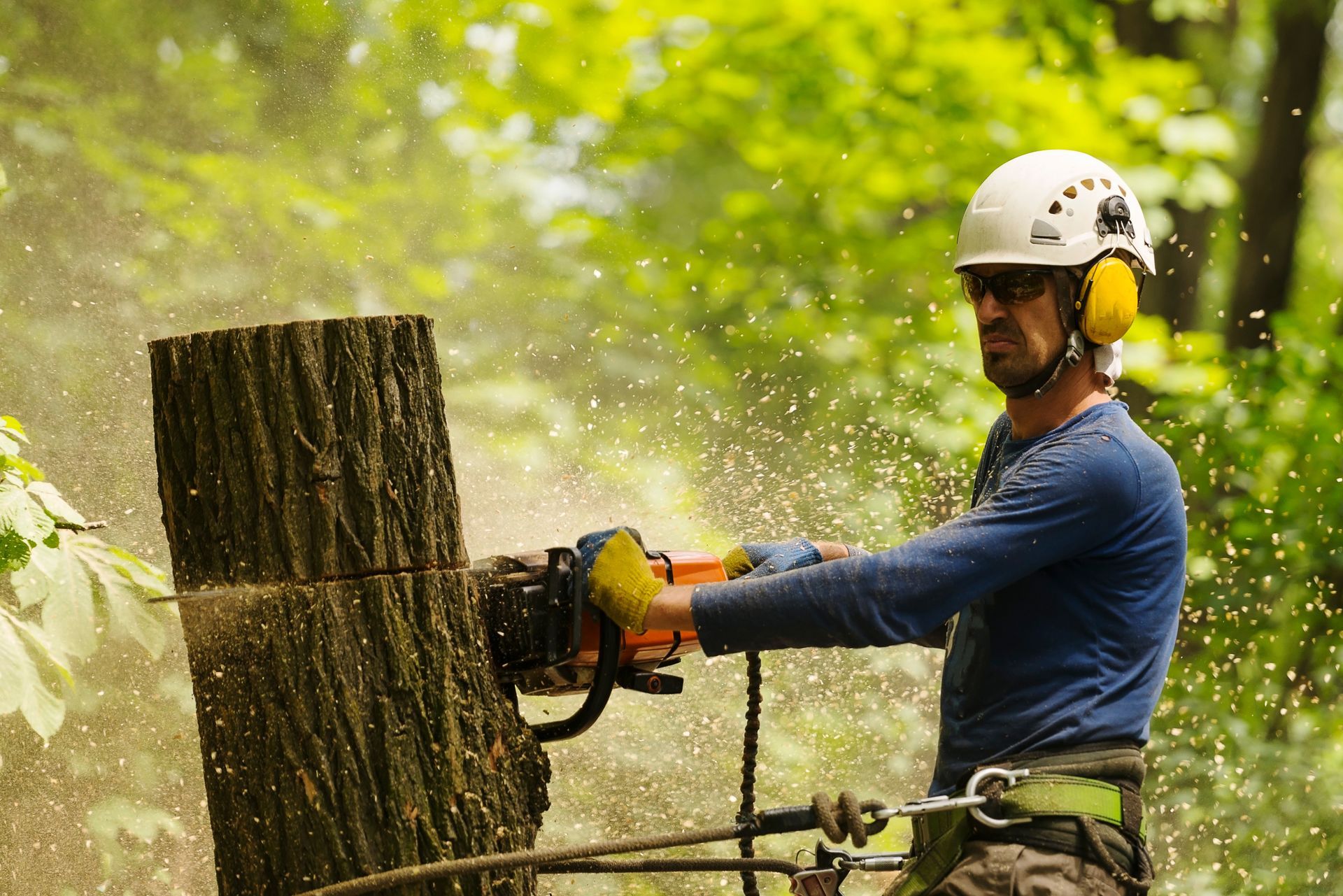
Dead trees and those weakened by disease pose structural risks to homes, outbuildings, and pasture fencing throughout Florida's humid climate, where decay accelerates and storm winds exploit compromised trunks. A tree that appears stable during calm weather can split at the base or drop limbs weighing hundreds of pounds during a summer thunderstorm, creating hazards that property insurance adjusters flag during inspections. H&R Landworks removes hazardous, dead, and unwanted trees from residential, commercial, and rural properties across the Tampa Bay and Nature Coast region, using selective felling and sectional removal techniques that prevent damage to structures within the drop zone.
Sectional removal cuts the tree into manageable pieces when proximity to buildings, power lines, or neighboring properties makes a full drop unsafe, and debris is chipped onsite or hauled depending on your preference. Stump grinding eliminates the remnant below grade, allowing you to replant or grade the area immediately.
Schedule a property assessment to identify trees that require removal and confirm whether onsite mulching or debris haul-away better fits your project timeline.
How Sectional Removal Protects Nearby Structures
Tree removal begins with evaluating the lean, root stability, and proximity to structures or utilities, then proceeds with either a directional fall in open areas or sectional cutting where space is limited. Skid steers and mulch heads convert felled timber and branches into chips, which can be spread as mulch or hauled offsite, eliminating separate landfill costs and the delays that come with scheduling a haul truck.
After removal, you notice the absence of the hazard—no more dead branches overhanging the roof, no leaning trunk threatening the fence line, and no concern about wind gusts snapping weakened wood during the next storm system that moves through Pasco or Hernando Counties.
Onsite mulching eliminates haul and disposal fees, reducing total project cost while providing reusable material for landscaping beds or erosion control zones. Properties in Spring Hill and Crystal City with sandy soil benefit from the organic matter that mulch adds to planting areas.
What Property Owners Usually Ask
Tree removal across Hudson and surrounding areas raises similar questions about process, safety, and debris management.
How is tree removal done near buildings or power lines?
Sectional removal cuts the tree into pieces small enough to lower safely, preventing damage to structures or utilities within the drop zone.
What equipment is used for tree removal and debris processing?
Skid steers, mulch heads, and chainsaws handle felling and debris conversion, with equipment selected based on tree size and site access conditions.
What happens to the wood and branches after removal?
Debris is chipped into mulch and either spread onsite for landscaping or hauled away, with onsite processing eliminating separate disposal fees.
When should a tree be removed rather than trimmed?
Trees with significant decay, structural damage from storms, or disease that threatens surrounding vegetation should be removed to prevent safety hazards and further spread.
How much does tree removal cost in Hudson?
Cost depends on tree height, trunk diameter, proximity to structures, and whether debris is mulched onsite or hauled, with sectional removal in tight spaces requiring more time and precision cutting.
H&R Landworks provides tree removal across Pasco, Hernando, and Citrus Counties, addressing storm damage and disease before structural failures occur. Call (352) 296-6726 to discuss removal options and confirm whether onsite mulching or debris haul-away best suits your property needs.