Timber and Brush Converted to Reusable Mulch
Forestry Mulching in Hudson for land reclamation, pasture restoration, and hunting property preparation
Pasture land overgrown with brush and saplings requires clearing before it can support grazing or hunting activity, but traditional clearing generates piles of debris that demand separate hauling or burning permits. H&R Landworks provides forestry mulching across Hudson and Pasco County, grinding trees and brush into reusable mulch for land reclamation, eliminating the need for offsite disposal and the costs that accompany multiple service visits. The Nature Coast region relies on mulching for pasture restoration and hunting land preparation, where selective clearing maintains desirable hardwoods while removing invasive undergrowth that chokes access trails and sightlines.
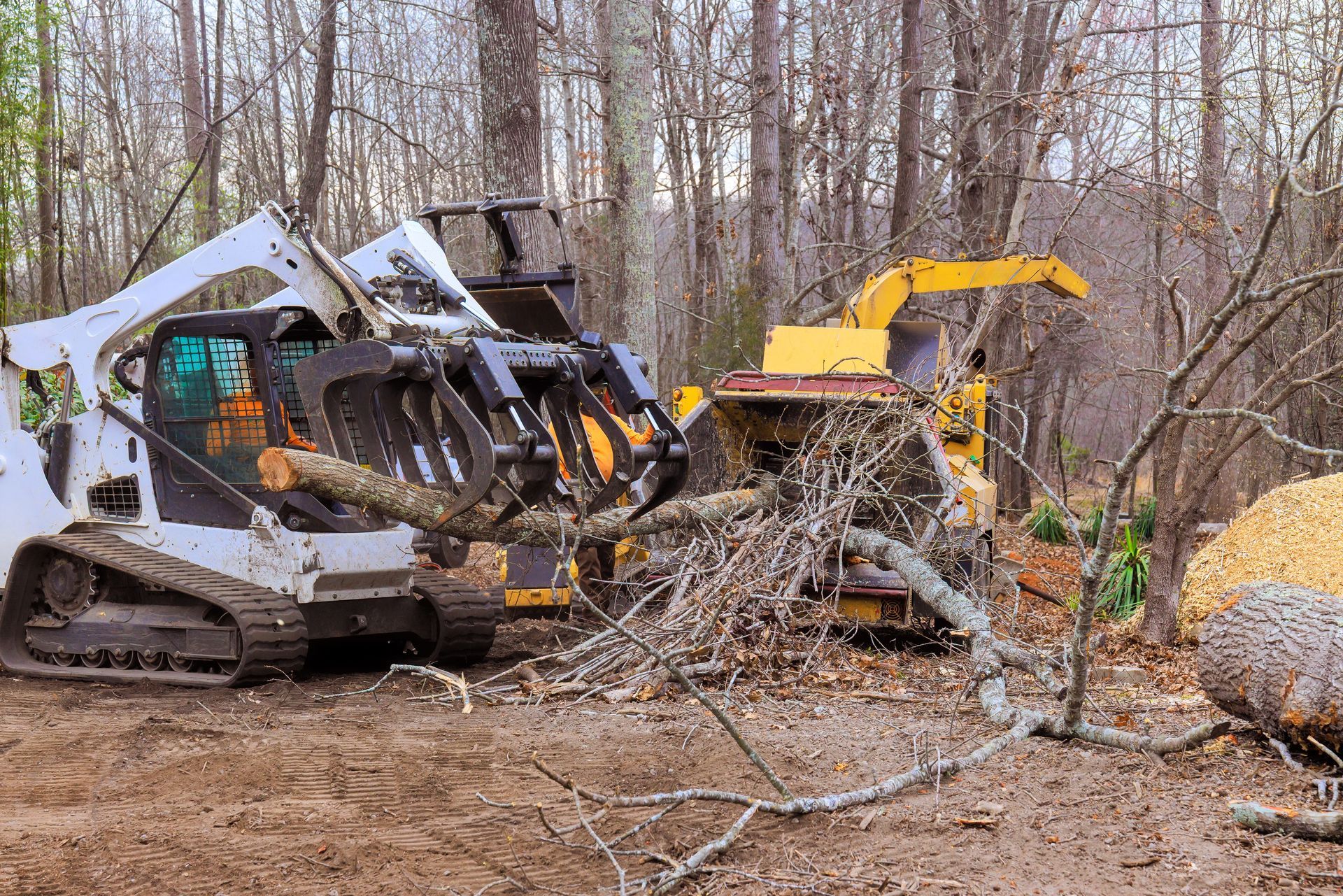
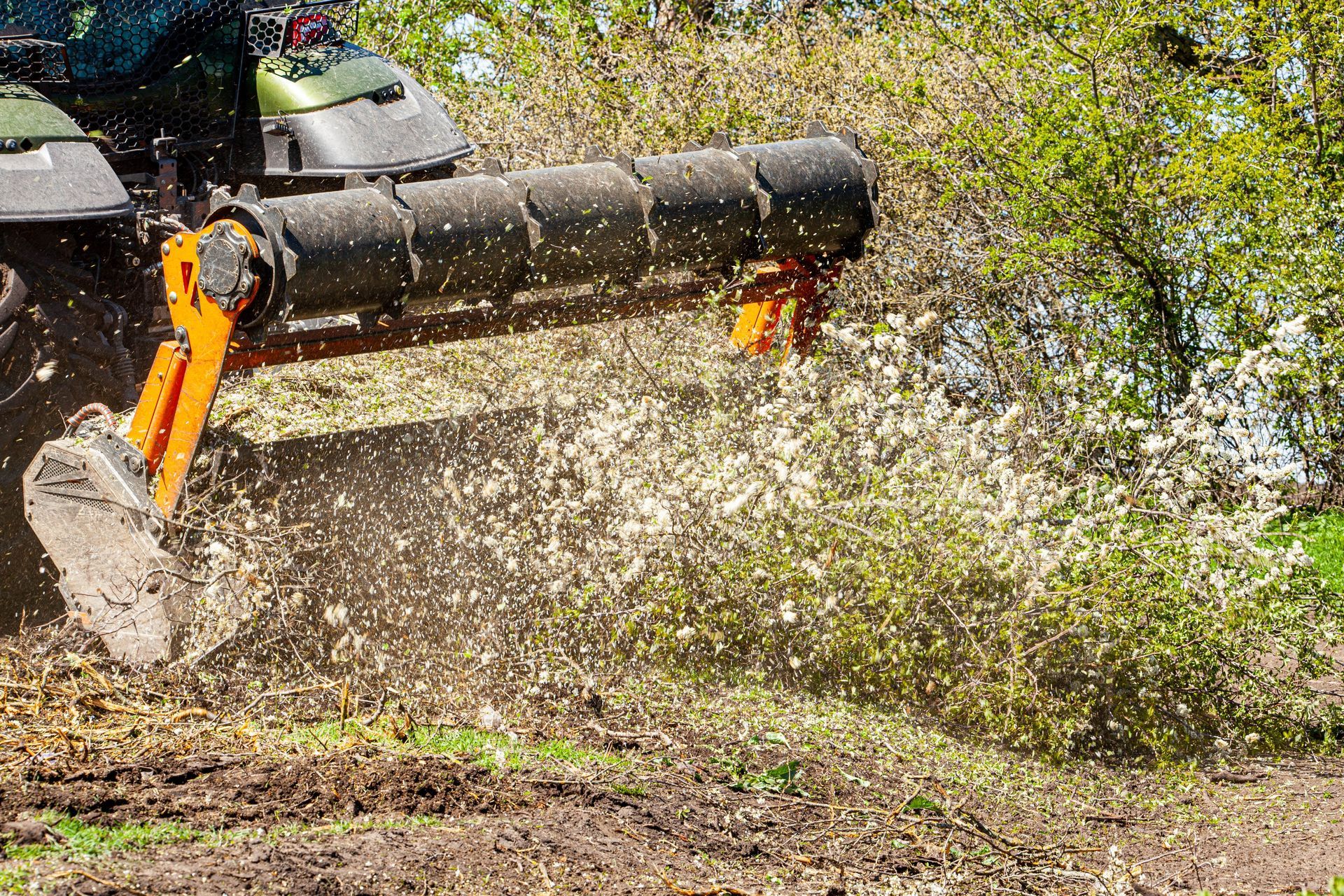
Machines grind felled timber and brush into ground-ready mulch, processing site debris onsite without hauling equipment or burn piles, and the resulting layer suppresses weed growth while improving soil moisture retention during dry months.
Request a site walkthrough to identify which vegetation should be mulched and whether the processed material will be spread evenly or concentrated in erosion-prone zones.
What Proper Forestry Mulching Requires
Forestry mulching begins with marking trees and plants worth preserving, then proceeds with grinding equipment that processes everything from saplings to mature brush into uniform chips. The mulch settles into a layer that covers bare soil, reducing erosion during heavy rain and creating a surface that discourages weed germination without requiring herbicide application.
Once mulching is complete, the property shows clear boundaries, accessible trails, and a ground layer that remains stable during wet weather instead of turning into rutted mud. Pasture areas regain usability for livestock or equipment movement, and hunting properties gain the sightlines necessary for stand placement and game trail monitoring.
Mulch depth varies based on the volume of material processed, with denser undergrowth producing thicker layers that provide longer-lasting weed suppression. Properties in Spring Hill and Brooksville with sandy soil see immediate benefits from the organic matter that mulch adds, improving water retention and reducing dust clouds during dry spells.
Questions Before Starting Your Project
Property owners preparing land for pasture or hunting use across Pasco County frequently ask about forestry mulching logistics and outcomes.
What size trees can forestry mulching equipment handle?
Machines process saplings and brush up to several inches in diameter, with larger timber requiring felling before grinding into mulch.
How does forestry mulching differ from traditional clearing?
Mulching grinds debris onsite instead of creating haul piles, eliminating disposal fees and leaving a ground layer that suppresses weeds and controls erosion.
What happens to the mulch after grinding?
Mulch is spread across the cleared area to improve soil conditions and prevent regrowth, or concentrated in specific zones where erosion control or moisture retention is needed.
When is the best time to schedule forestry mulching in Hudson?
Dry months reduce soil compaction from heavy equipment, though mulching can occur year-round depending on property access and recent rainfall that may have saturated the ground.
How much does forestry mulching cost per acre in Pasco County?
Cost varies based on vegetation density, terrain slope, and whether selective clearing preserves certain trees, with denser undergrowth requiring more processing time and equipment hours.
H&R Landworks handles forestry mulching across the Tampa Bay and Nature Coast corridor, converting overgrown acreage into functional pasture and hunting land. Reach H&R Landworks at (352) 296-6726 to review your property conditions and confirm per-acre pricing based on vegetation density and access constraints.