Sight Lines Cut Through Hunting Properties
Trail Clearing in Hudson for recreational land requiring brush removal and drainage-conscious access routes
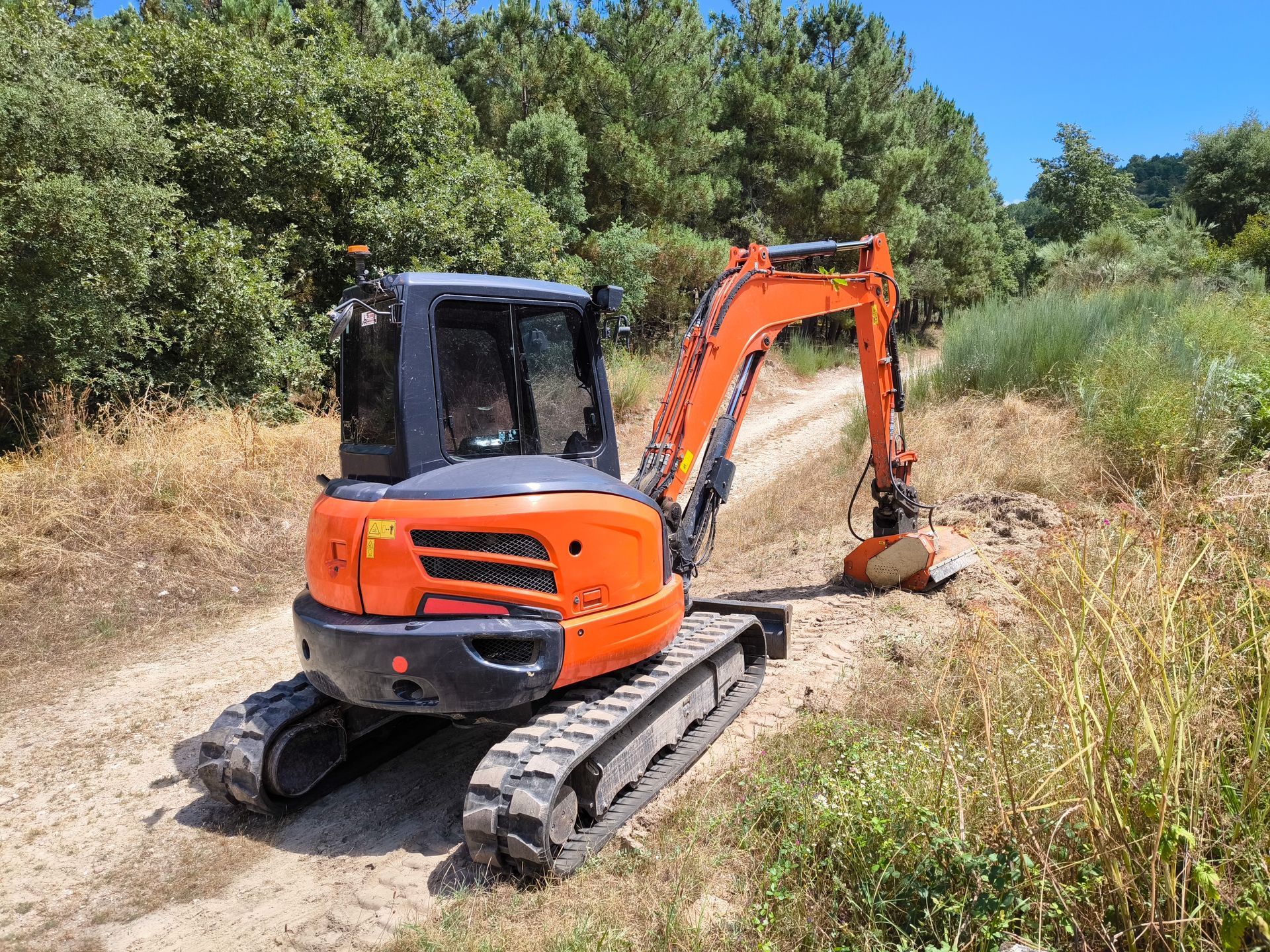
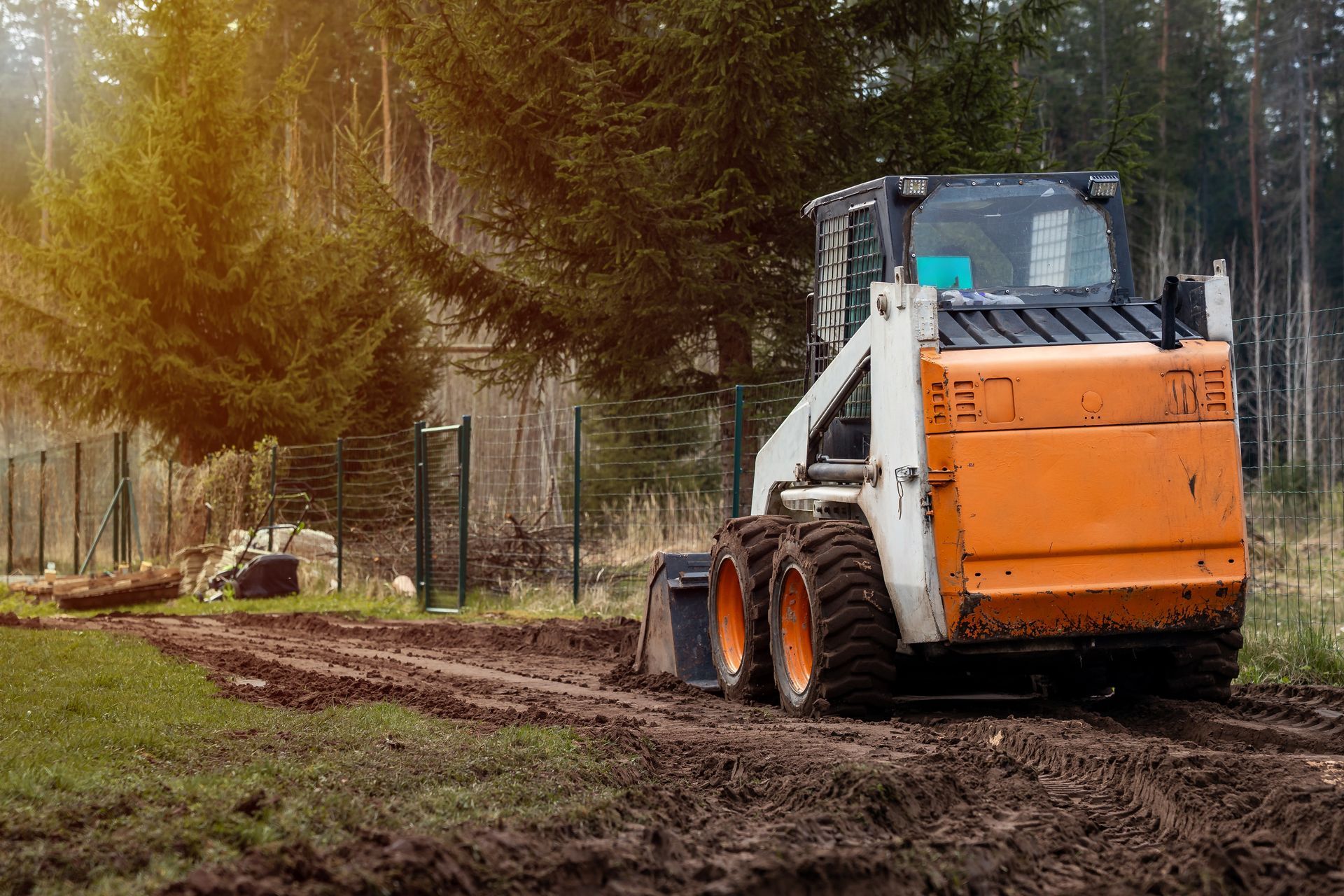
Hunting properties, residential acreage, and recreational land across Pasco, Hernando, Citrus, and Sumter Counties develop overgrown trails when seasonal brush closes sight lines and wet winter months leave corridors impassable without equipment intervention. H&R Landworks cuts and maintains trails by removing overhanging limbs, clearing brush to establish eight- to twelve-foot sight lines, and applying minor grading adjustments that direct water off the trail surface to prevent rutting and standing water. Skid steer equipment accesses tight terrain where larger machinery cannot operate, processing material into mulch left along trail edges rather than hauling debris offsite.
Trail clearing focuses on creating usable access without disturbing surrounding vegetation or altering drainage patterns that affect adjacent property. The work removes only what blocks passage or visibility, leaving tree canopies intact for shade and maintaining ground cover that stabilizes soil in sandy or clay-heavy zones common across the Nature Coast.
Schedule a property walk to identify trail routes, access points, and drainage concerns before equipment mobilizes.
What Changes After Trail Access Is Restored
Brush and low-hanging limbs are removed using chainsaws and mulching equipment, leaving the trail corridor open at chest height with clear sight lines that support hunting, wildlife observation, or vehicle passage. Minor grading shapes the trail surface to shed water toward edges, preventing the pooling that turns clay-based trails into mud troughs during summer rainstorms.
After clearing, trails remain passable year-round with firm footing and visibility extending far enough for safe ATV operation or foot travel. Mulched debris along trail edges decomposes naturally without blocking the path, and the established corridor requires only seasonal maintenance to control regrowth rather than full re-clearing every year.
H&R Landworks handles mixed terrain including wet corridors prone to seasonal flooding, sandy ridges that drain quickly, and clay zones that require drainage cuts to prevent surface water accumulation. Trail clearing does not include gravel installation, culvert placement, or erosion control structures—those additions require separate site work and material sourcing.
What Landowners Want to Know
Trail maintenance across Hudson hunting zones and rural recreational properties involves balancing access needs with terrain conditions that vary by season and soil type.
What width are trails cleared to for hunting or recreational use?
Trails are typically cleared to eight- to twelve-foot widths, allowing ATV or side-by-side vehicle passage with enough sight line clearance for safe travel and seasonal regrowth without immediate re-clearing.
How does wet-season work in Hudson affect trail clearing?
Wet months from June through September saturate clay soils, increasing the risk of equipment rutting; trail clearing scheduled during dry months minimizes ground disturbance and maintains drainage grades without compacting soil that becomes difficult to reshape later.
What happens to brush and limbs removed during trail clearing?
Material is mulched onsite and spread along trail edges, decomposing naturally without blocking the path; larger limbs or trunk sections may be stacked outside the corridor if landowners prefer, but most debris is processed to eliminate hauling costs.
When does a trail need minor grading versus full drainage work?
Minor grading adjusts the trail surface to shed water toward edges and prevent pooling; full drainage work—installing culverts, swales, or gravel—becomes necessary when trails cross natural low points or sustained wet zones that remain impassable even after surface shaping.
How long does cleared trail access last before regrowth requires maintenance?
Trail corridors cleared through mixed brush and hardwood saplings typically remain passable for one to two years before regrowth narrows sight lines; annual maintenance trimming extends usability without requiring full re-clearing.
H&R Landworks maintains trails across hunting and recreational properties in the Tampa Bay and Nature Coast region, adjusting routes and drainage based on seasonal access needs. Call (352) 296-6726 to review trail layout and access requirements for your land.