Equipment That Handles Rural Site Constraints
Skid steer services in Hudson for rural properties with limited access and tight work zones
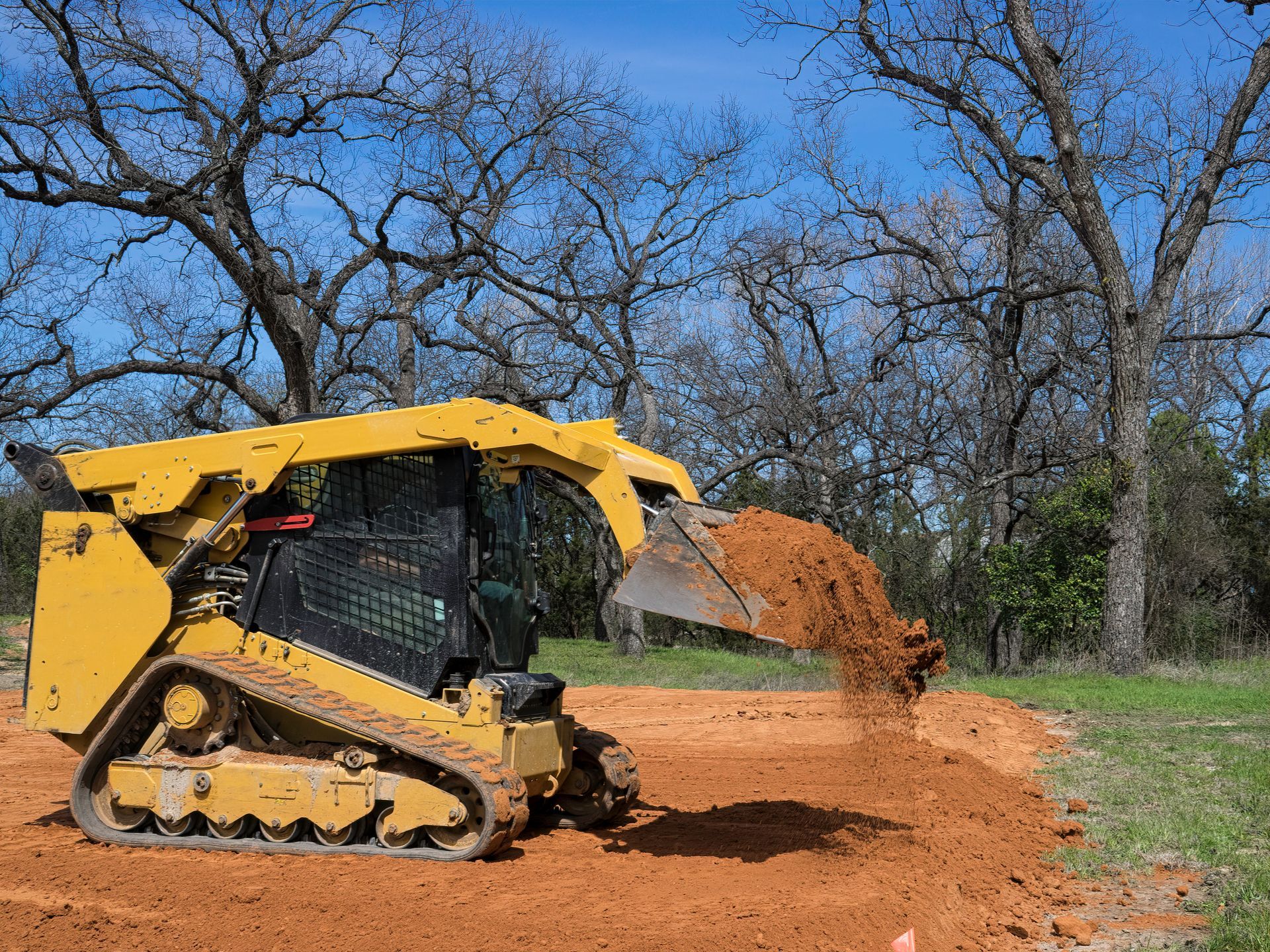
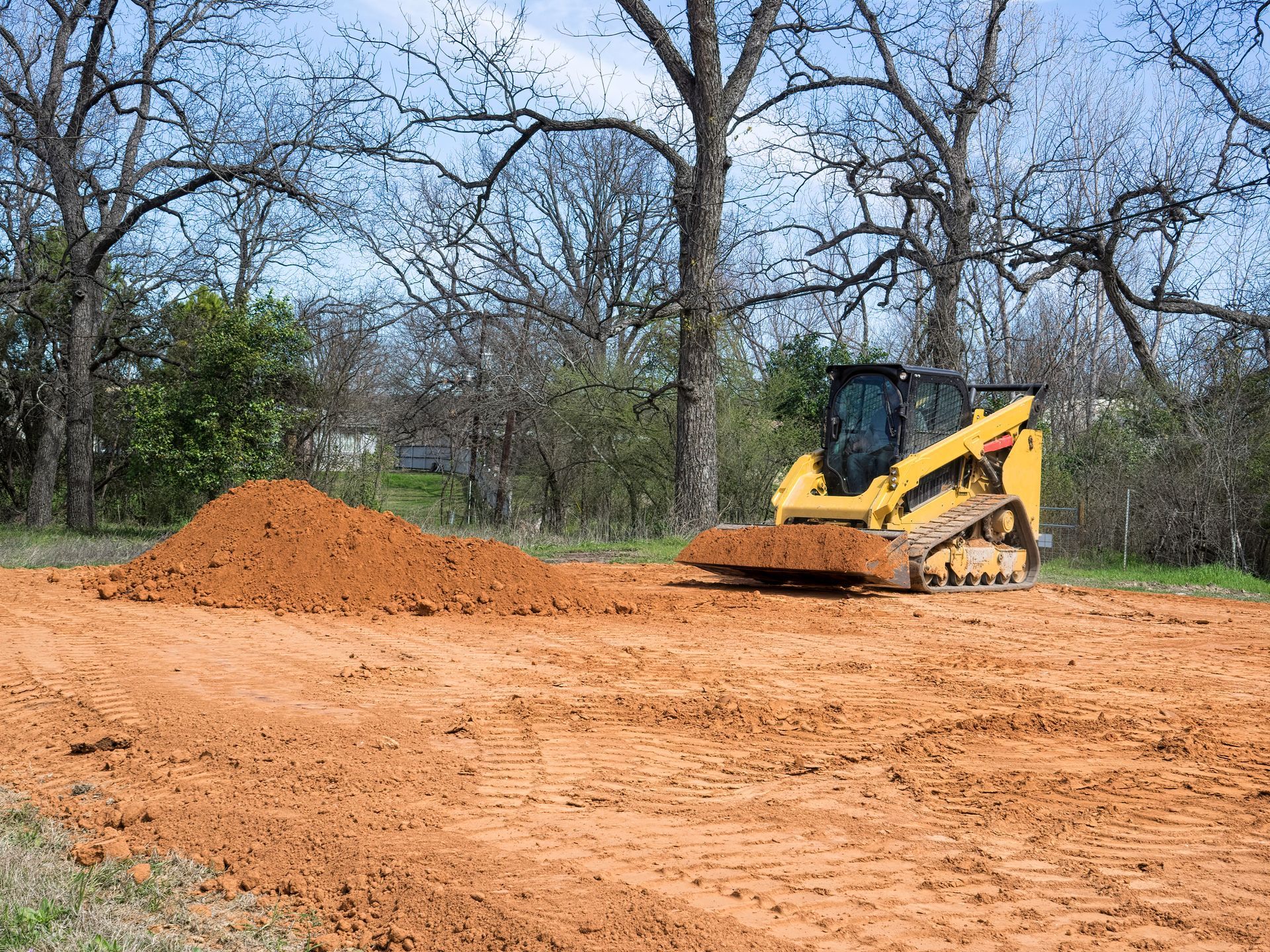
H&R Landworks operates skid steer equipment for grading, brushing, and light excavation across Hudson and Pasco County, where rural properties demand compact heavy equipment that maneuvers through narrow gates and alongside existing structures without requiring the footprint of larger excavators. The machine handles lot prep, debris removal, and rough grading tasks on residential and rural sites where access roads are single-lane or where septic fields, wellheads, and mature tree canopies limit the approach angle for traditional earthmoving equipment.
Skid steer work includes grading for drainage flow, removing brush and root balls after clearing, spreading and compacting fill material for driveways, and pushing debris into piles for removal. The machine's narrow track width and tight turning radius make it the standard tool for site prep on lots where full-size dozers cannot navigate without damaging adjacent landscaping or crossing utility easements.
Schedule a site visit to evaluate access routes and determine equipment requirements for your lot conditions.
What Skid Steer Work Accomplishes on Tight Sites
Skid steer operations begin with a walk-through to identify gate widths, overhead clearance, underground utilities marked by locators, and soil conditions that affect traction and grading efficiency. In rural Pasco County, sandy soils compact differently than clay pockets, and operators adjust blade pressure and pass frequency based on moisture content and the intended use of the graded surface—whether it will carry vehicle traffic, support a foundation footer, or channel stormwater runoff.
After the work is finished, you will see a level or properly sloped surface free of stumps, root mats, and surface debris, with high spots cut down and low areas filled to match the surrounding grade. Driveways show a compacted base ready for aggregate or pavement, and drainage paths direct water away from structures and toward designated collection points or roadside swales.
The service includes machine operation, basic grading to specified slope or elevation, and debris consolidation for removal. It does not include hauling debris off-site, deep excavation below eighteen inches, or engineered grading that requires laser-guided equipment and surveyor oversight for commercial permitting.
Questions About Equipment and Site Access
Property owners in Hudson and surrounding rural areas often ask about equipment capabilities, timing, and how soil conditions affect the scope of skid steer work.
What site conditions require skid steer equipment instead of larger machines?
Properties with narrow access gates under ten feet wide, overhead utility lines below twelve feet, septic drain fields within fifteen feet of the work area, or mature trees with root zones that cannot be compacted by heavier equipment all require skid steer use to complete grading and clearing without causing collateral damage.
How long does skid steer grading take for a typical rural lot?
A half-acre lot with moderate brush and minor elevation changes typically requires four to six hours of machine time, though sandy soils in Hudson often grade faster than clay-heavy areas farther inland, and sites with embedded limestone or dense root systems take longer to prep.
What preparation is needed before skid steer work begins?
Underground utilities must be marked by calling 811 at least two business days before work starts, and any structures, wells, or septic components within twenty feet of the grading area should be flagged so operators can adjust blade depth and turning paths accordingly.
How does wet-season timing affect skid steer operations?
Heavy rain saturates sandy soils and reduces traction, making it harder to compact base material properly; work scheduled during Florida's dry season from November through April produces better compaction and minimizes rutting from machine tracks.
What happens to debris and vegetation removed during grading?
The skid steer pushes brush, root balls, and stumps into consolidated piles at a designated location on the property; those piles can then be hauled off-site, burned where local regulations permit, or chipped for mulch depending on your preference and county rules.
H&R Landworks deploys skid steer equipment across rural properties in Pasco and Hernando counties where site conditions demand compact, maneuverable machines. Arrange an on-site evaluation to discuss equipment access and grading objectives for your property.