Properties Cleared of Invasive Overgrowth
Brush Removal in Hudson for properties overtaken by seasonal regrowth and dense vegetation
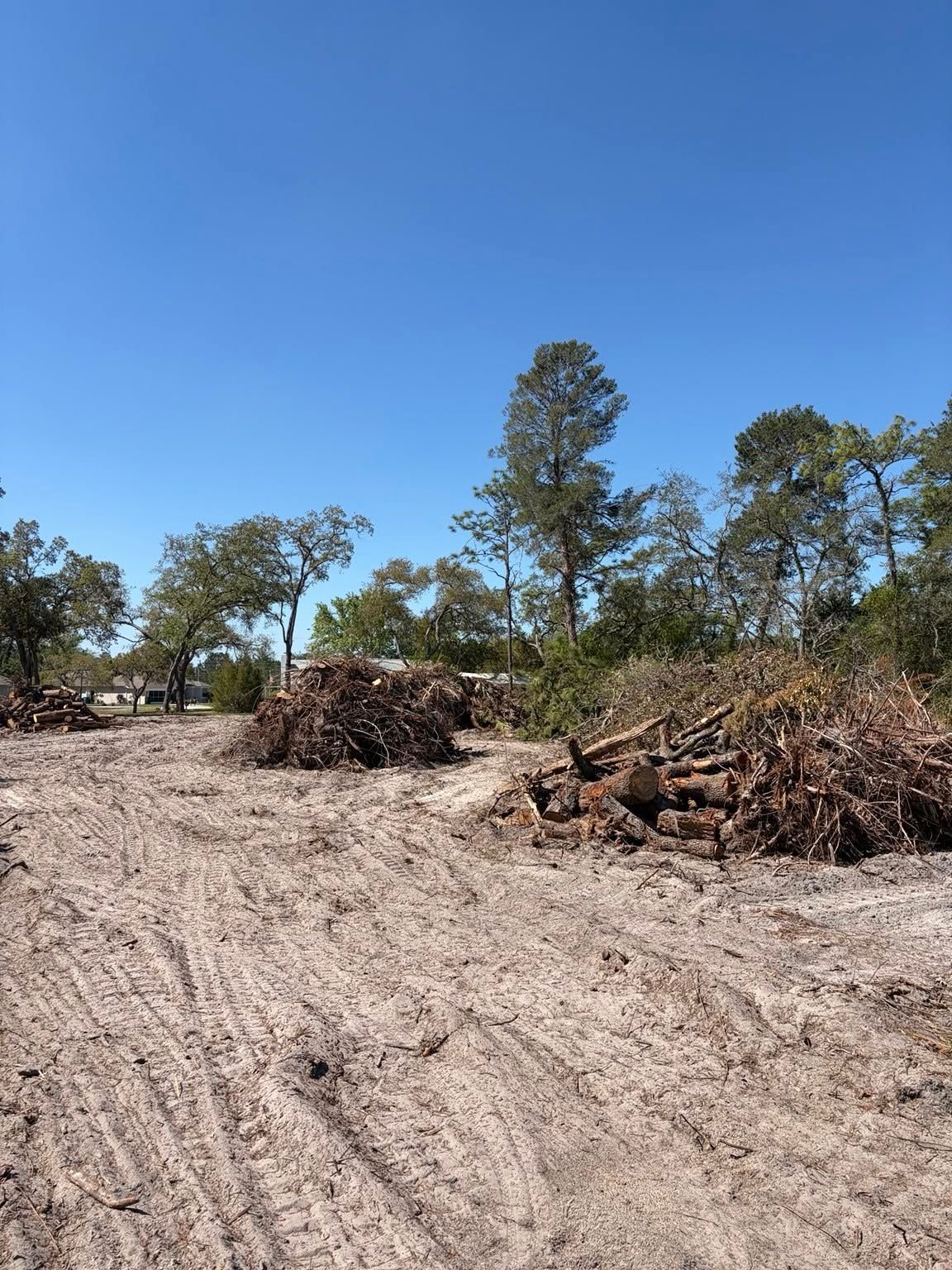
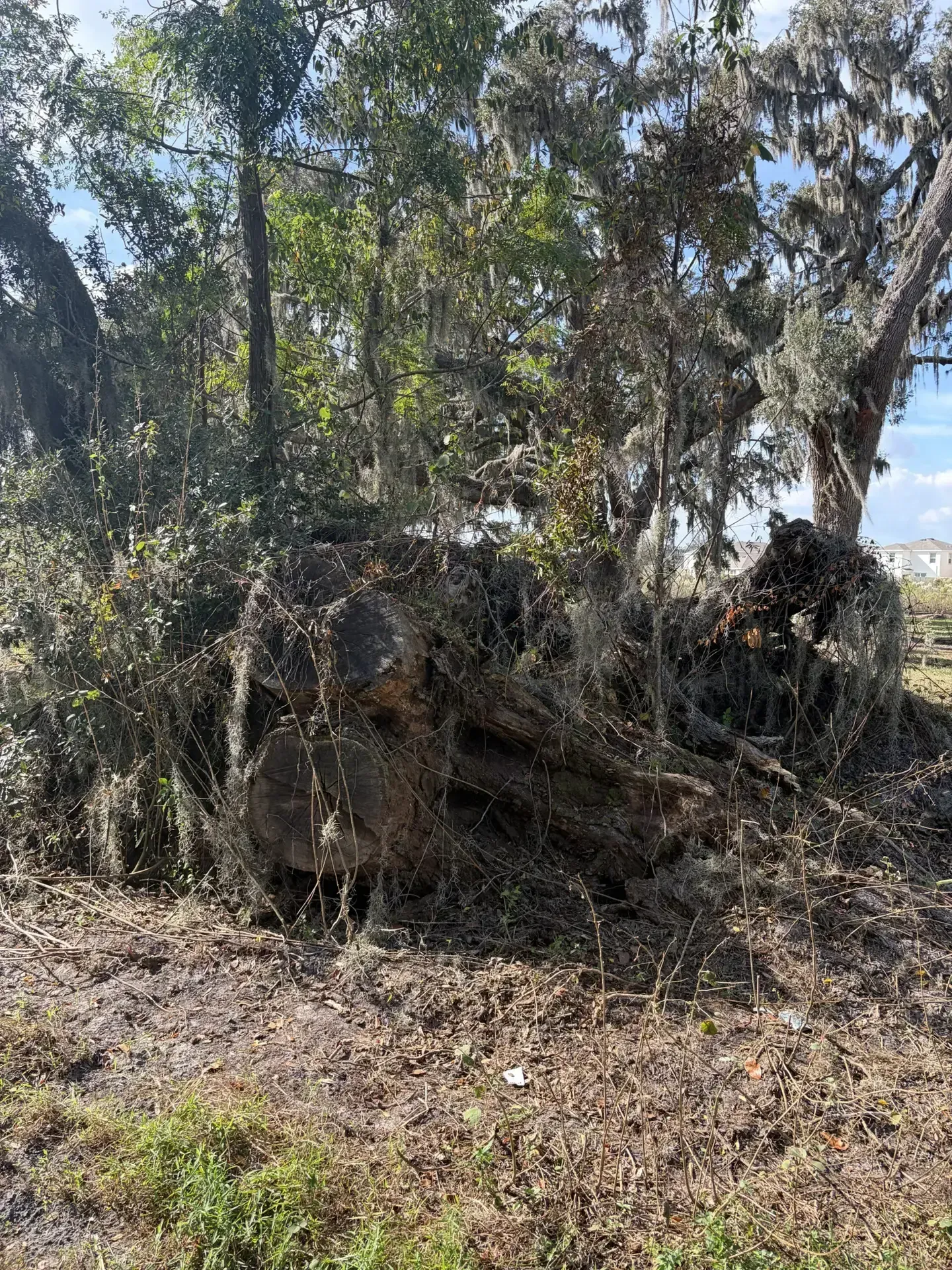
Florida's humid climate accelerates brush growth to the point where fence lines disappear, access paths close, and property boundaries become indistinguishable within a single growing season. H&R Landworks removes invasive and overgrown brush from residential, commercial, and rural properties across Pasco and Hernando Counties, addressing the rapid encroachment that defines land management challenges throughout the Hudson region. The work targets both the visible tangle above ground and the root systems that guarantee regrowth within weeks if left partially intact.
Mechanical cutting and grinding equipment processes brush down to ground level, while forestry mulch equipment recycles the debris onsite rather than hauling it to a landfill. Selective removal preserves trees, palms, or ornamental plants you want to keep, distinguishing this approach from wholesale clearing that strips a property bare.
Request an on-site evaluation to identify which vegetation should be removed and which areas benefit from mulch spread for erosion control.
What Happens Once Brush Is Cut and Mulched
Brush removal begins with a walk-through to mark plants and trees worth preserving, then proceeds with mechanical cutting that handles everything from chest-high scrub to woody undergrowth too thick for hand tools. Forestry mulch heads grind the cut material into chips that settle into a ground layer, eliminating the need for separate hauling and the fees that come with offsite disposal.
After the equipment finishes, you see clear sight lines across the property, accessible paths to structures or fencing, and a layer of organic mulch that suppresses weed germination for months. The mulch can be spread evenly for aesthetic purposes or concentrated in swales and low spots where erosion previously washed soil away during summer storms.
Same-day debris reduction means no burn piles, no waiting for a haul truck, and no secondary cleanup required after the crew leaves. Properties in Pasco County with sandy soil benefit from the mulch layer, which retains moisture and reduces the dust clouds that rise during dry months.
Common Questions About This Service
Property owners across Hudson and surrounding areas often ask similar questions before scheduling brush clearing work.
What equipment is used for brush removal?
Skid steers with forestry mulch heads grind brush into chips onsite, and mechanical cutters handle dense undergrowth without damaging nearby trees you want to preserve.
How quickly does brush regrow after removal?
In Hudson's humid climate, regrowth begins within weeks if root systems remain intact, which is why grinding below ground level and applying mulch both slow the return of unwanted vegetation.
What happens to the debris after clearing?
Debris is processed into mulch and either spread across the property for weed suppression and erosion control or hauled if you prefer a completely clean surface.
When is the best time to schedule brush removal?
Dry months reduce soil compaction from heavy equipment, but removal can happen year-round depending on access conditions and whether the property has been recently saturated by rain.
What is included in a typical brush removal estimate?
The estimate covers mechanical cutting, onsite grinding, and mulch spreading, with additional costs only if you request debris haul-away or stump grinding for larger woody plants.
H&R Landworks handles brush removal across Pasco and Hernando Counties, converting overgrown properties into usable land without the expense of offsite disposal. Schedule a property review to determine which areas require clearing and how mulch can be used to prevent rapid regrowth.