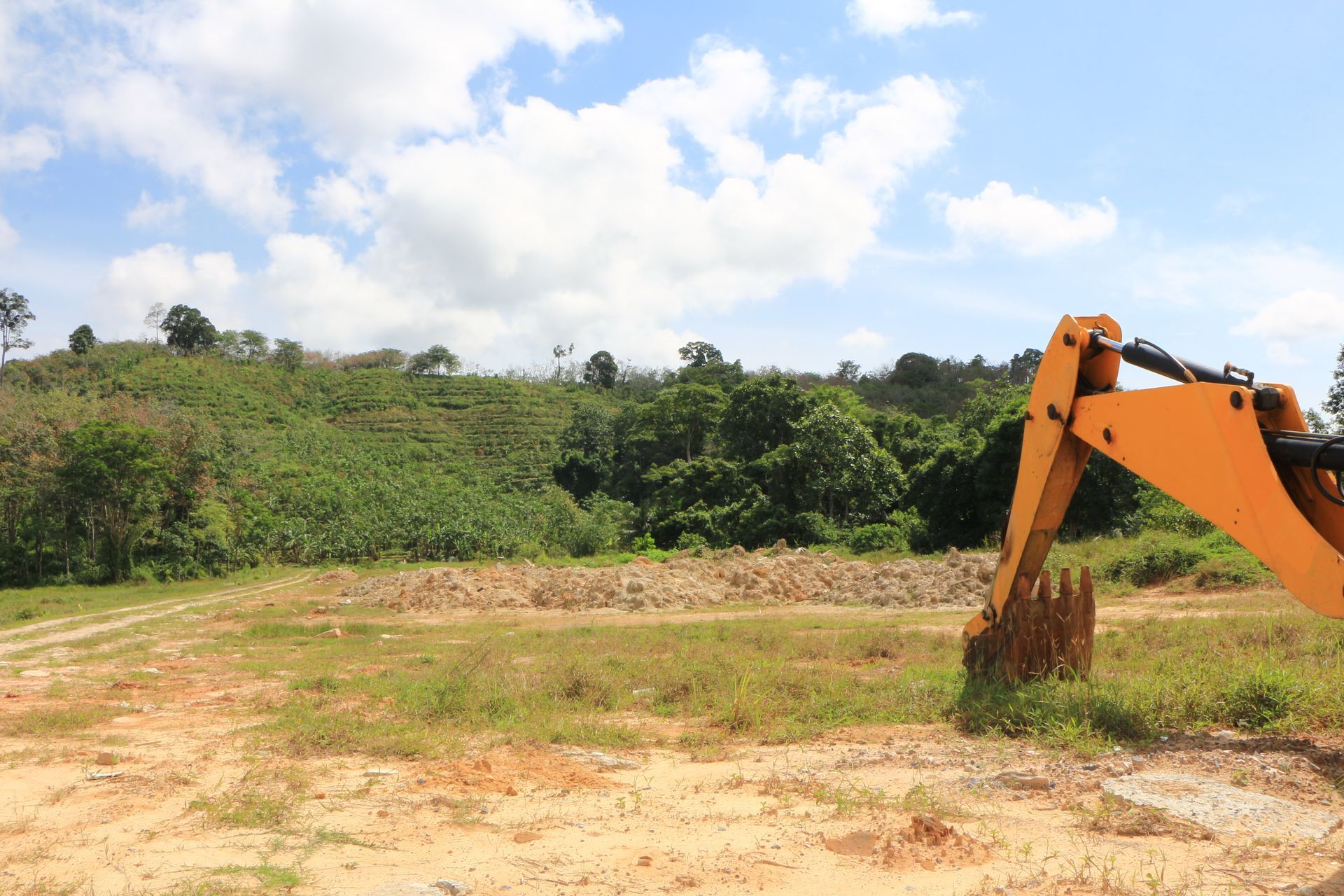
Grazing Land Restored Without Topsoil Removal
Pasture Clearing in Hudson for overgrown grazing land requiring brush removal and soil structure preservation
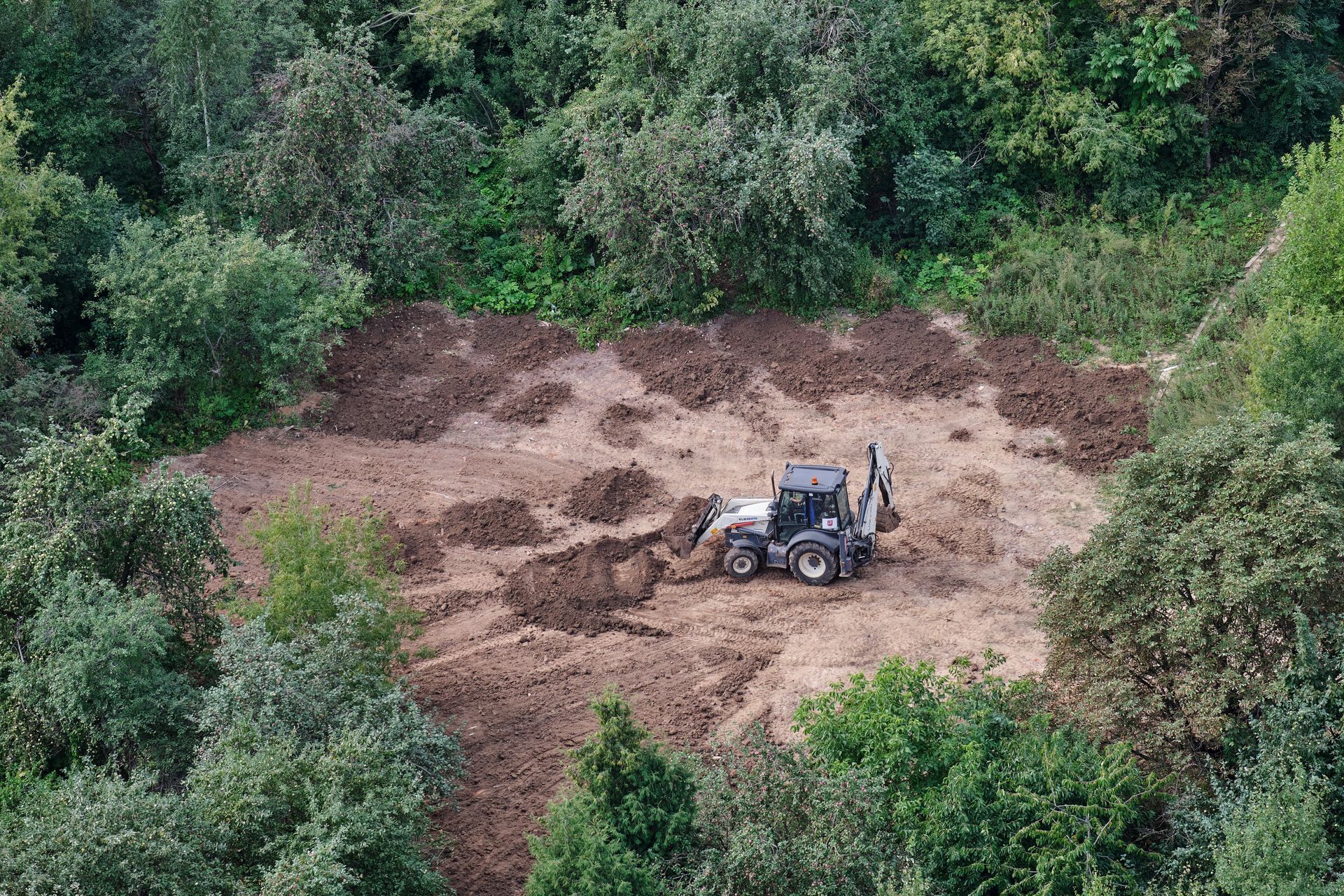
H&R Landworks removes invasive brush, small trees, and bramble from overgrown pasture land across Pasco and Hernando Counties, focusing on rural corridors where seasonal growth and wet conditions allow undergrowth to encroach on productive grazing areas. The service targets properties where fence lines have disappeared under vegetation, where hay production has declined due to competing brush, or where livestock access has been reduced by thickets that block movement and water sources. Forestry mulching processes vegetation in place, leaving mulched material to decompose into the pasture base rather than burning or hauling debris offsite.
Pasture clearing maintains the existing soil structure and root mat that prevents erosion, unlike full land clearing that strips ground cover down to bare earth. Equipment removes only the invasive growth—palmetto clusters, volunteer oaks, Brazilian pepper—while preserving desirable ground cover and avoiding compaction that disrupts drainage patterns essential in clay-heavy soils common across the Nature Coast.
Request a site walk to assess brush density, identify problem species, and determine equipment staging areas for your acreage.
Why Mulched Debris Enriches Pasture Base
Brush and saplings are ground into fine mulch using skid steer-mounted equipment that processes material onsite without transport costs or the need for burn permits restricted during dry months. Mulch left on the ground decomposes over six to twelve months, releasing organic matter that improves soil tilth and moisture retention in sandy areas while reducing the need for imported fill or amendments.
Once clearing finishes, pasture boundaries reappear, livestock can move freely across the property, and mowing equipment operates without obstruction from low-hanging limbs or root clusters. Replanting or overseeding happens immediately after clearing since the soil surface remains intact and ready to accept seed without additional tilling. Hay yields improve within one growing season as sunlight reaches the ground and invasive species no longer compete for nutrients.
Pasture clearing does not include fertilization, reseeding, or irrigation system installation—those steps follow separately based on soil testing and forage goals. Properties near Brooksville and Dade City often require follow-up fence repair once sight lines are restored and access to buried posts becomes possible again.
Common Questions About Pasture Work
Restoring overgrown pasture land in Hudson and surrounding rural areas involves decisions about timing, equipment impact, and replanting schedules that affect how quickly the land returns to productive use.
What vegetation types are removed during pasture clearing?
Invasive brush species such as Brazilian pepper, volunteer hardwoods, palmetto thickets, and bramble are targeted for removal, while desirable ground cover and established tree lines that provide shade for livestock are left intact.
How does forestry mulching compare to traditional burn clearing for pastures?
Mulching avoids burn permit requirements and fire risk, processes material onsite to eliminate haul costs, and leaves organic matter that enriches the soil rather than stripping it bare, making replanting faster and less dependent on imported amendments.
When is the best time to clear pasture land in Pasco County?
Late winter or early spring allows mulched material to decompose before the growing season, giving soil time to integrate nutrients before replanting; dry-season work also reduces equipment rutting in clay soils saturated during summer rains.
What happens to the mulched debris after pasture clearing?
Mulch remains onsite, decomposing naturally over six to twelve months and adding organic matter to the soil base; within one season, the material breaks down enough that mowing and grazing proceed without obstruction.
How much pasture can be cleared in one day?
Acreage cleared depends on brush density, terrain access, and equipment size, but typical production ranges from two to five acres per day for mixed undergrowth using skid steer mulching heads on level ground with firm access.
H&R Landworks restores grazing land across the Tampa Bay and Nature Coast region, handling mixed terrain and managing debris without offsite hauling. Contact (352) 296-6726 to schedule an acreage assessment and discuss replanting timelines for your property.