Private Access Routes Built for Heavy Use
Driveway installation in Hudson for rural properties that require drainage control and equipment-rated surfaces
Rural properties in Hudson and Spring Hill lack municipal road connections, and private driveways must handle seasonal water runoff, deliver trucks, septic service vehicles, and the weight of construction equipment during building phases without rutting, washing out, or trapping water in low spots that turn the access route into a mud channel after summer storms. H&R Landworks builds and grades driveways for residential and rural properties, clearing the path, establishing proper slope for drainage, compacting the soil base, and coordinating the installation sequence with grading and clearing phases so the finished surface ties into lot elevation and stormwater flow patterns.
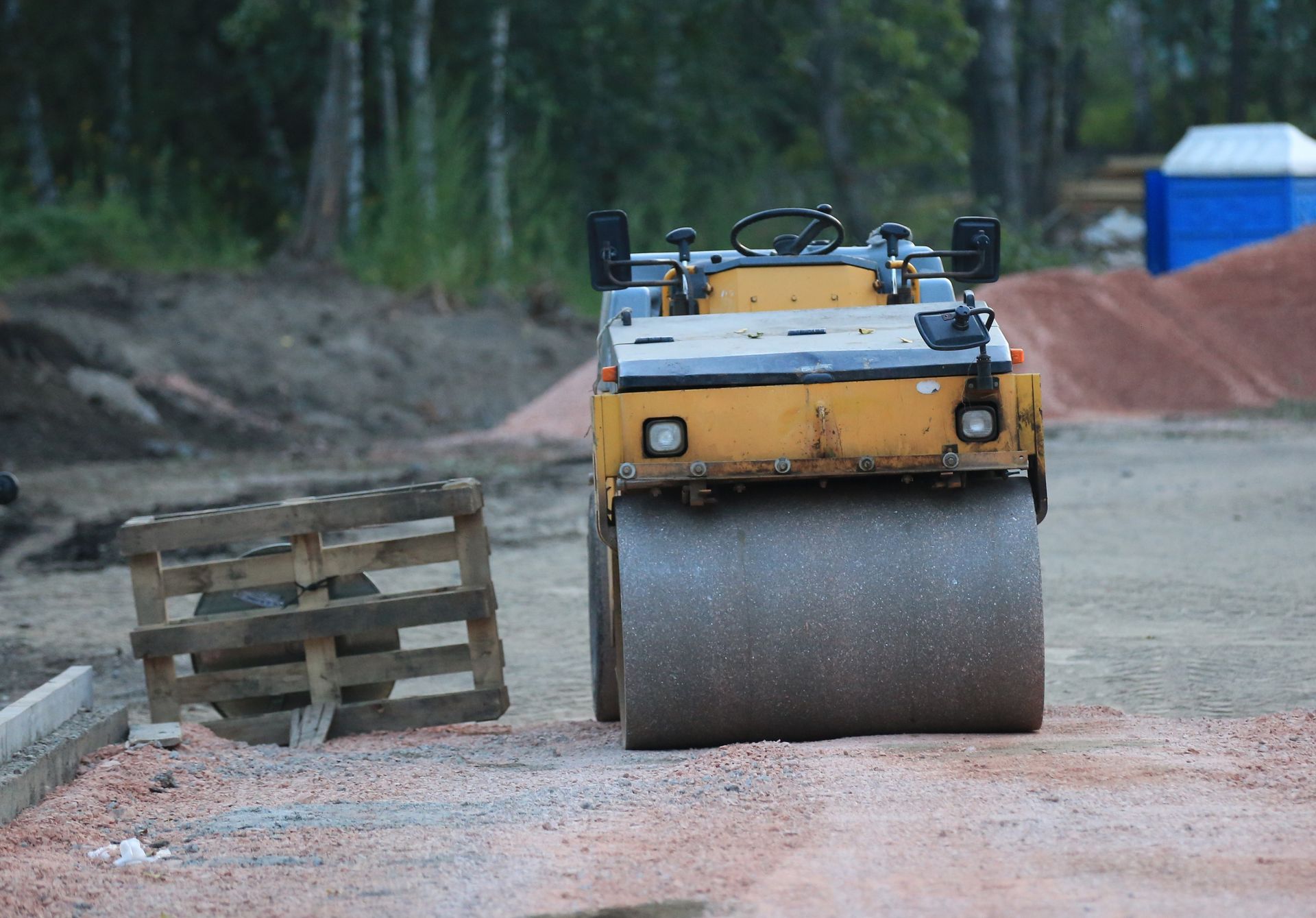
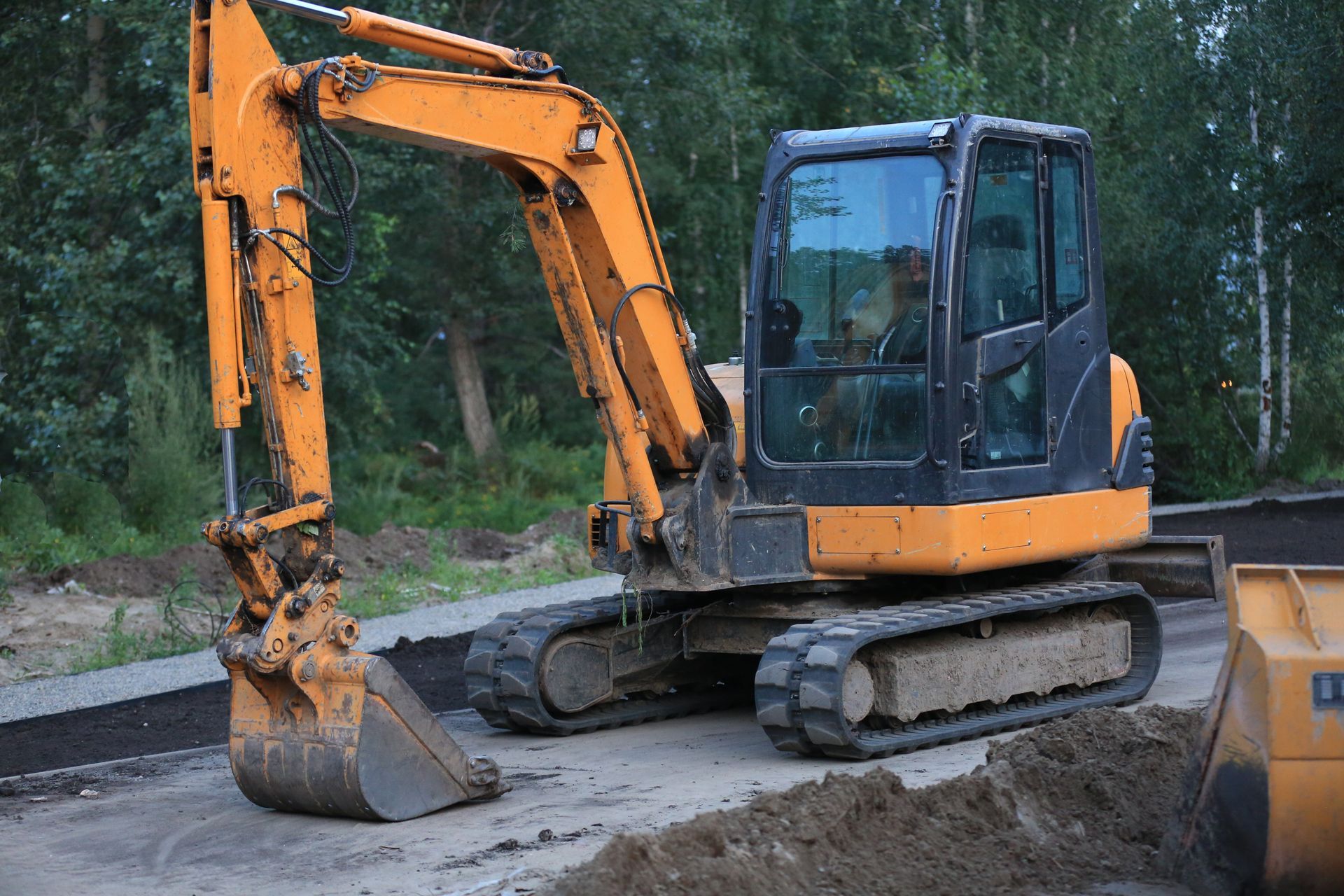
Driveway installation begins with clearing vegetation and stumps along the planned route, followed by excavation to remove soft topsoil and organic material that would compress unevenly under traffic. Operators grade the path to match the elevation of the county road or existing driveway apron, install a minimum two percent cross-slope to shed water toward drainage swales, and compact the base in lifts to prevent settling under vehicle loads.
Arrange a site visit to review access routes, drainage conditions, and base material options for your driveway project.
How Proper Base Prep Prevents Washouts and Rutting
Driveway construction involves clearing the corridor to the planned width—typically ten to twelve feet for single-lane rural access—then excavating to a depth that removes loose sand or clay and reaches stable subgrade. The base is compacted in layers no thicker than six inches per pass, using equipment weight and vibration to eliminate voids, and cross-slopes are set to direct sheet flow toward vegetated edges or installed culverts rather than allowing water to run down the center of the path and erode the base material.
After installation, you will see a graded surface that sheds water to both sides, remains firm under vehicle traffic without sinking or rutting, and connects smoothly to the county road or existing paved apron. The driveway no longer pools water after rain, and the compacted base supports delivery trucks and heavy equipment without forming ruts that trap runoff and accelerate erosion during the next storm cycle.
The installation includes clearing and grading the driveway corridor, compacting the base to support expected traffic loads, and establishing drainage slopes that tie into lot grading. It does not include aggregate surfacing, asphalt or concrete paving, or culvert installation unless those elements are specified in the project scope and coordinated with separate contractors or material suppliers.
Answers to Frequent Service Questions
Property owners in Pasco County often ask about driveway width, drainage requirements, and how base preparation affects long-term durability.
What width is needed for a rural driveway in Hudson?
Single-lane driveways typically measure ten to twelve feet wide to accommodate standard vehicles and allow limited passing room, while driveways serving properties with regular delivery traffic or RV access often expand to fourteen feet or include pullout sections where vehicles can yield.
How deep does the base need to be for a compacted driveway?
Most rural driveways require excavation to a depth of six to twelve inches below finished grade to remove soft topsoil, though areas with clay soils or high water tables may need deeper excavation and thicker base layers to prevent settling when saturated during Florida's wet season.
What drainage features prevent driveway washouts?
Cross-slopes of two to three percent direct water off the surface toward vegetated swales or ditches, and driveways crossing low areas or natural drainage paths require culverts sized to handle peak storm flow without backing up water that erodes the base or floods the access route.
When should driveway installation happen relative to other site work?
Driveways are typically installed after rough grading and clearing establish lot elevation and drainage flow, but before final landscaping or structure construction so equipment can use the access route without damaging finished surfaces or compacting areas intended for planting.
How does soil type affect driveway base requirements?
Sandy soils in Hudson drain quickly but erode easily under concentrated runoff, requiring steeper cross-slopes and edge protection; clay soils hold moisture longer and soften under load when saturated, demanding thicker compacted bases and sometimes geotextile fabric to prevent base material from mixing with underlying clay.
H&R Landworks installs driveways across rural properties in Pasco and Hernando counties where access routes must handle seasonal runoff and equipment traffic. Contact the team at (352) 296-6726 to discuss driveway design and base preparation for your property conditions.